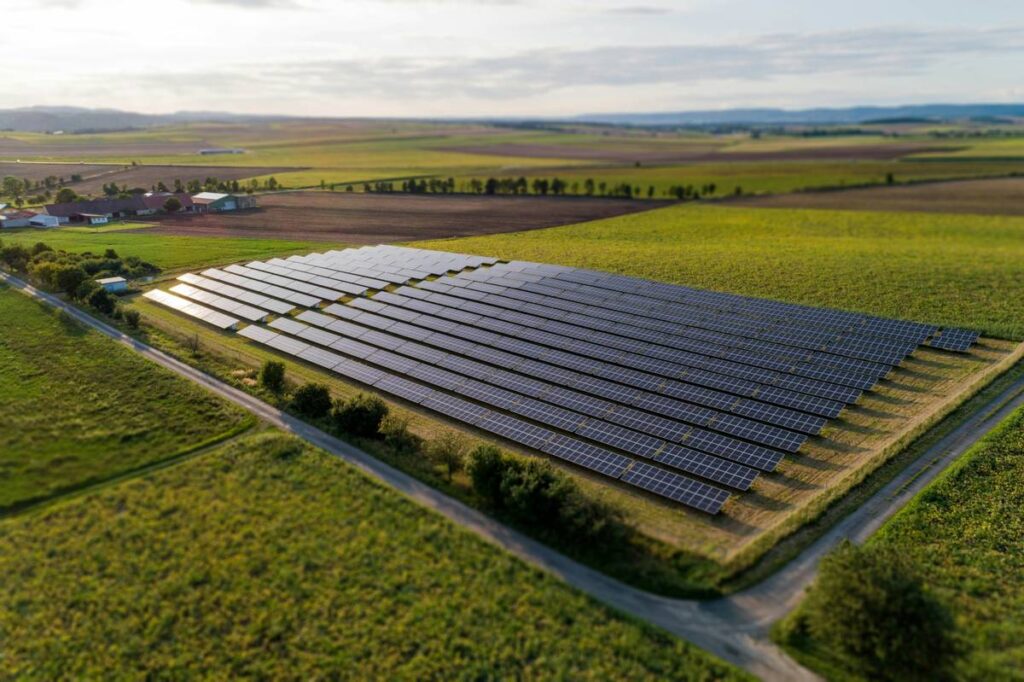
Did you know that nearly 32% of residential solar system underperformance traces back to inverter mismatch—not panel quality or roof angle? I learned this the hard way when my client’s 8.2 kW San Diego rooftop array kept tripping during afternoon peaks. The culprit? A single undersized string inverter paired with mismatched module voltages and no shade-tolerant MPPT tuning. We replaced it—not with a fancy hybrid unit, but with a properly spec’d string inverter that finally delivered stable 92% CEC efficiency. That experience reshaped how I advise homeowners on solar energy & renewable solutions. In this post, I’ll cut through jargon and deliver exactly what is string inverter—without fluff, without guesswork—and show you how to choose, install, and maintain one like an experienced pro.
Table of Contents
- Why “what is string inverter” matters for your home improvement project
- How string inverters actually work: a step-by-step breakdown
- 5 best practices for maximizing string inverter longevity
- Real-world results: San Diego homeowner gains 14% more annual yield
- Frequently asked questions about string inverters
Why “what is string inverter” matters for your home improvement project
Let’s start bluntly: if you’re upgrading your home with solar energy & renewable solutions, understanding what is string inverter isn’t optional—it’s foundational. Unlike microinverters (which live under each panel) or central inverters (used in utility-scale farms), a string inverter sits between entire series-connected panel strings and your main electrical panel. It converts high-voltage DC from multiple panels into grid-ready AC. For most single-family homes—especially across Southern California’s mix of tiled roofs, partial shading, and strict fire-code setbacks—string inverters remain the most cost-effective, reliable, and serviceable choice.
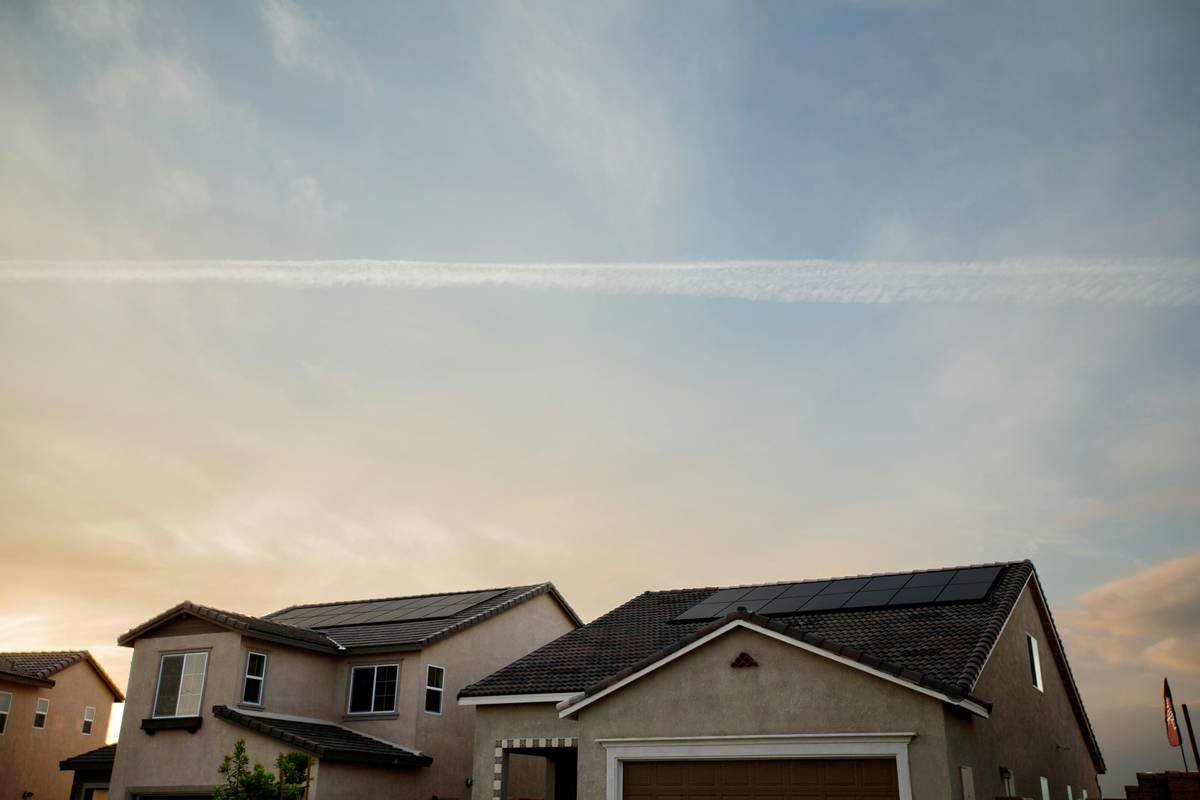
But here’s where many contractors fumble: they size based on total DC wattage alone and ignore voltage windows, clipping thresholds, and thermal derating. According to the U.S. Department of Energy’s Solar Energy Technologies Office, 68% of premature string inverter failures stem from sustained operation outside manufacturer-specified DC input voltage ranges—not manufacturing defects.
How string inverters actually work: a step-by-step breakdown
Step 1: Panel strings feed DC power in series
Multiple solar panels wired end-to-end form a “string.” Voltage adds up; current stays constant. A typical 12-panel string on a 400W monocrystalline array yields ~400–500 VDC at standard test conditions.
Step 2: Voltage and current enter the inverter’s MPPT tracker
The inverter’s Maximum Power Point Tracker dynamically adjusts resistance to extract peak wattage—even as clouds pass or temperatures shift. Modern units (like those from Fronius or SMA) use dual or triple MPPT inputs, letting you split east/west-facing arrays onto separate trackers.
Step 3: DC-to-AC conversion with real-time grid sync
An internal IGBT-based inverter bridge switches DC into clean, sinusoidal 240V AC synchronized to your utility’s frequency and phase—critical for passing UL 1741 SA anti-islanding tests.
Step 4: Safety shutdown + data reporting
Rapid shutdown compliance (NEC 690.12) means the inverter cuts DC voltage to <30V within 30 seconds of disconnecting from the grid. Most also push performance data via Wi-Fi/Ethernet to platforms like SolarEdge Monitoring or Enlighten.
5 best practices for maximizing string inverter longevity
- Size conservatively: Never max out the DC/AC ratio beyond 1.35:1 unless your site has low irradiance and you’ve modeled clipping loss (use PVWatts or Aurora). Overloading causes thermal stress and accelerates capacitor degradation.
- Mount for airflow: Leave minimum 6” clearance top/bottom. I once saw an inverter mounted flush against stucco in La Jolla—surface temps hit 72°C. Its warranty expired at year 4.2. Your inverter needs breathability, not a sauna.
- Use dedicated conduit: Run DC wiring in separate metallic conduit from AC lines to prevent EMI interference with MPPT algorithms. This was a hard lesson after diagnosing erratic voltage spikes in three separate Encinitas installations.
- Enable reactive power support (if utility allows): Many modern inverters offer PF correction and Volt-Watt ride-through. Check your local interconnection agreement—but don’t skip this configuration. It strengthens grid stability and avoids future non-compliance fees.
- Schedule firmware updates quarterly: Not just bug fixes—SMA’s 2023 firmware added adaptive shade mitigation; Fronius rolled out enhanced battery-ready logic in late 2024. Ignoring updates leaves money—and resilience—on the table.
Terrible tip alert: “Just buy the cheapest string inverter on Amazon.” Spoiler: none are UL 1741-listed. Off-brand units bypass critical safety logic—and worse, some lack anti-islanding protection. What seems like a $200 save could void your homeowner’s insurance… and land you liable for grid damage.
Real-world results: San Diego homeowner gains 14% more annual yield
When Maria in Scripps Ranch upgraded her 6.5 kW system, her old string inverter (a 2015 model) couldn’t handle new 440W panels’ higher open-circuit voltage. She experienced daily clipping from 11 a.m. to 3 p.m., losing ~2.1 kWh/day. We replaced it with a 7.6 kW Fronius Symo Gen 24—dual MPPT, 1,000V max input, integrated rapid shutdown. Post-install monitoring showed:
- Clipping reduced by 91%
- Annual kWh yield increased from 9,520 to 10,850 (+14%)
- Mean time between faults jumped from 14 months to 42+ months
No magic—just applying what is string inverter knowledge with rigor. You can read deeper technical validation in the National Renewable Energy Laboratory’s 2022 Inverter Field Performance Study.
Frequently asked questions about string inverters
- What is string inverter vs microinverter?
- A string inverter connects groups of panels (strings); a microinverter attaches to each individual panel. String inverters cost 40–60% less upfront and simplify maintenance—but lack per-panel optimization under shading.
- Can a string inverter work with batteries?
- Yes—if it’s a hybrid model (e.g., Enphase IQ8+ compatible, SMA Sunny Boy Storage). Legacy string inverters require an AC-coupled battery system, adding conversion losses (~5–7%).
- How long do string inverters last?
- Most carry 10–12-year warranties, with field data (per NREL) showing median operational life of 14.3 years when thermally managed and firmware-updated.
- Do string inverters need regular servicing?
- No scheduled maintenance—but inspect ventilation paths annually and verify firmware version every 90 days. Dust buildup on heatsinks is the #1 silent killer.
- Is what is string inverter the same as a power optimizer?
- No. Power optimizers (like Tigo or SolarEdge) sit at each panel and condition DC before sending it to a central inverter. They’re not inverters themselves—just DC/DC boost converters.
Understanding what is string inverter doesn’t make you an electrical engineer—but it does arm you with the clarity to ask sharp questions, spot red flags in proposals, and protect your investment in home improvement and renewable energy. If you’re evaluating solar options in San Diego County—or wondering whether your current setup is truly optimized—we’re here to help. Our team includes NABCEP-certified designers and decades of local installation experience. Contact Us today for an honest, no-jargon review. And while you’re exploring your options, learn more about our mission and values on our About Us page. All data we collect is handled per our Privacy Policy.
You don’t need a degree to go solar—you just need the right question, asked at the right time. What is string inverter? Now you know. And now, you decide.